Mold Transfer vs New Tooling: Do You Really Need to Start Over?
Published April 8, 2026 By Jacob Huben
How Mold Transfer Improves Consistency Without …

Transfer your mold with confidence. Ensure a smooth transition without disrupting production as we evaluate, repair, and validate your mold to deliver consistent, high-quality parts.
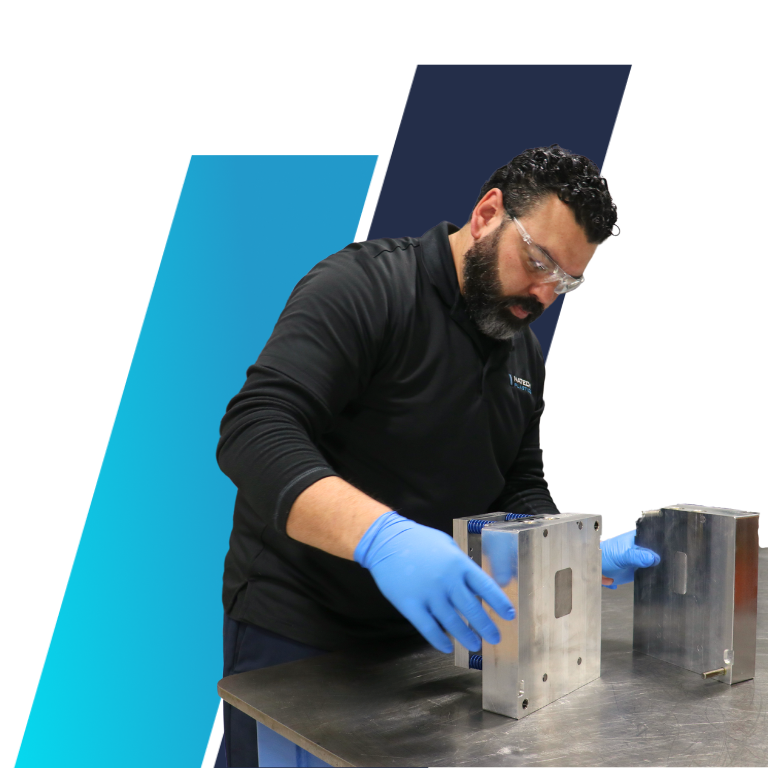
Delays don’t come from one issue, they come from hidden problems within the mold. Before production begins, we fully evaluate, repair, and validate your tool to ensure it runs reliably in its new environment.
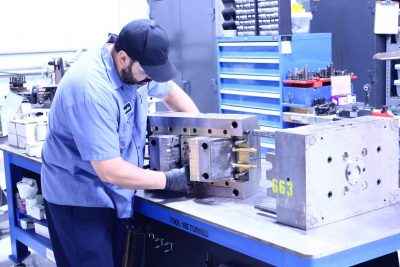
We assess the full mold assembly to identify wear, misalignment, and hidden issues that impact performance.
We uncover and resolve existing damage to restore functionality and prevent costly failures during production.
We verify that each component operates correctly within the system to ensure consistent, repeatable performance.
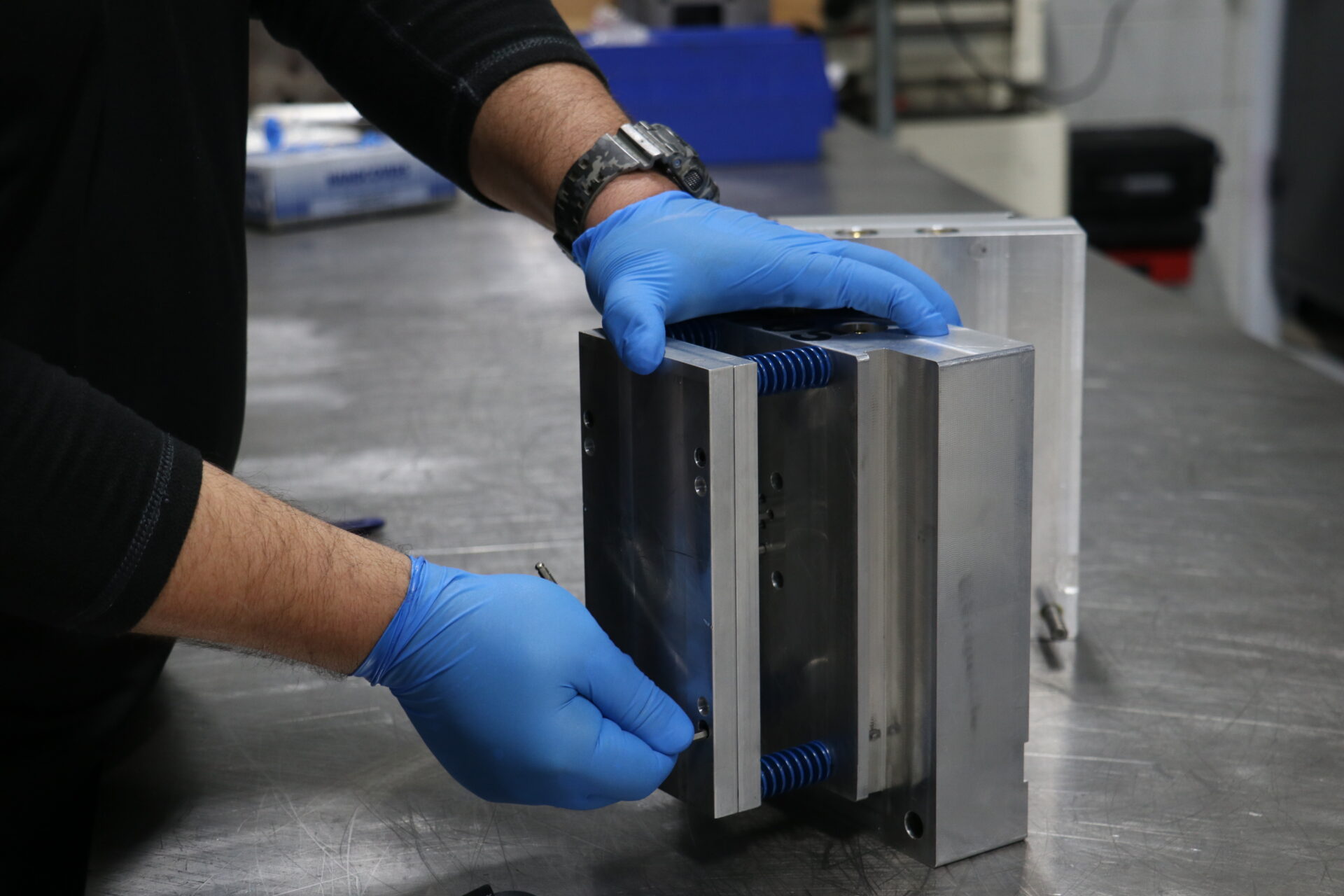
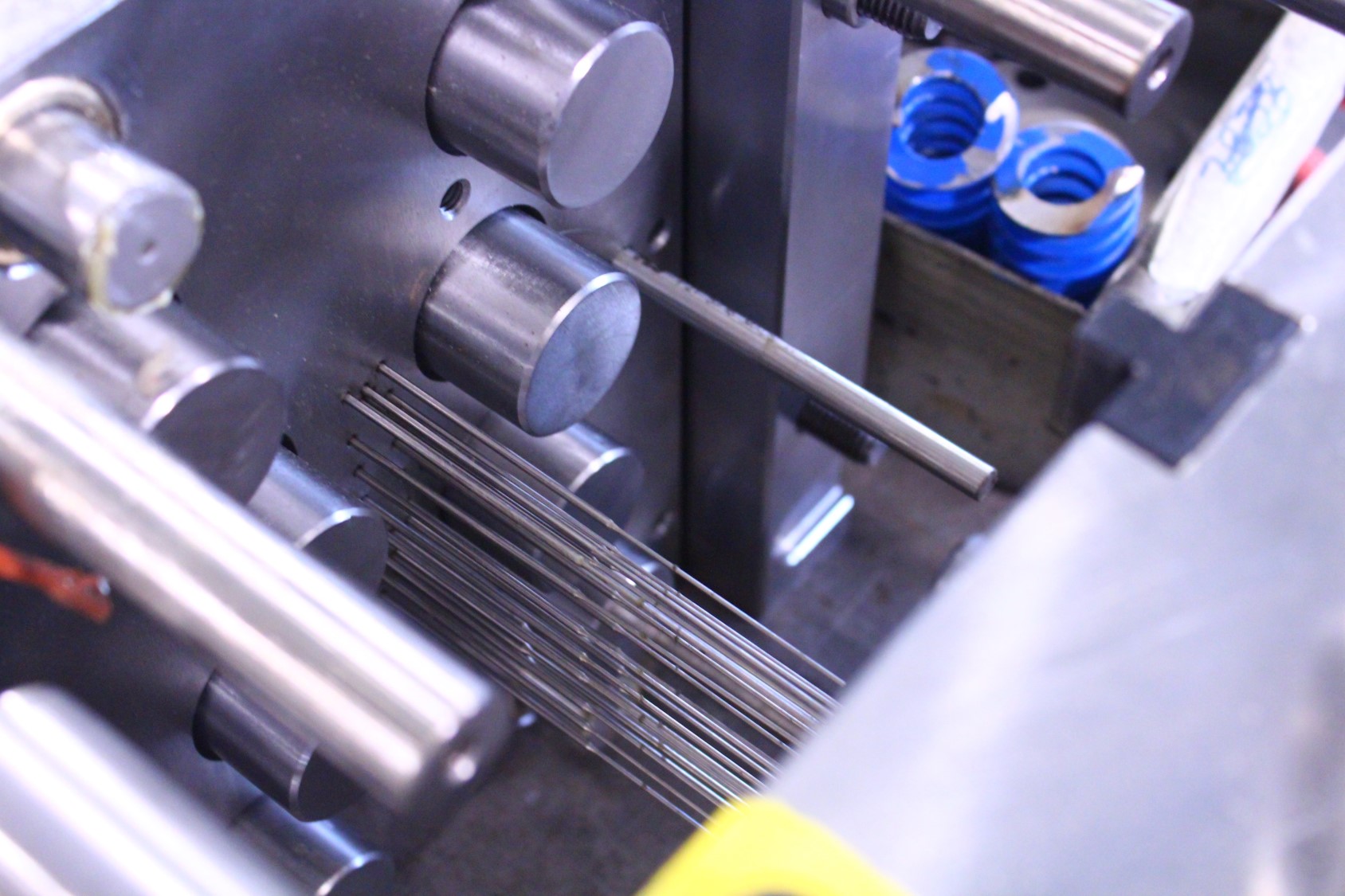
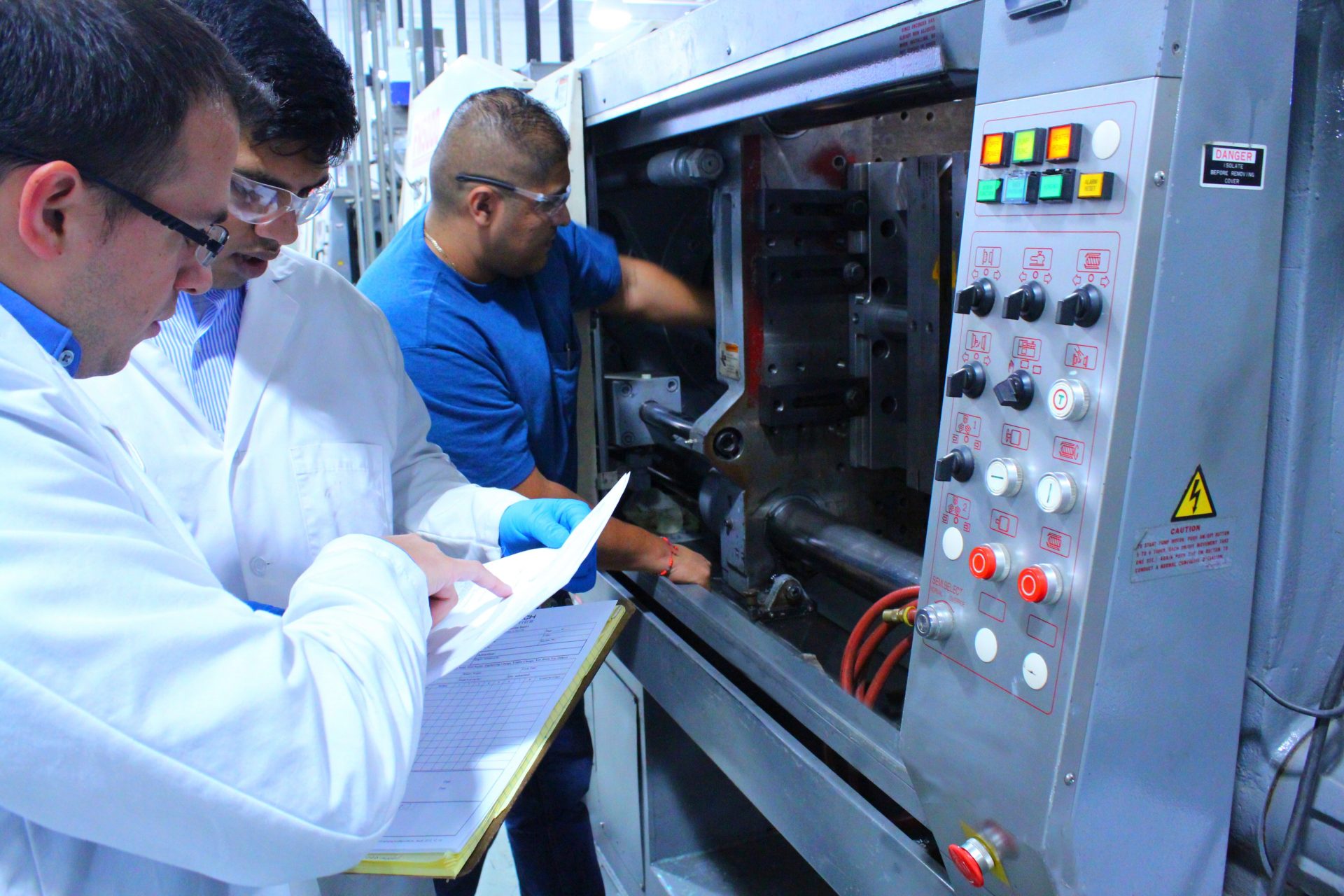
Explore case studies and insights on mold transfer, tooling performance, and restoring stable production.
A structured mold transfer approach improves performance, reduces risk, and restores confidence in your production process.
Our mold capabilities support every stage of your tooling, before and after the transfer.
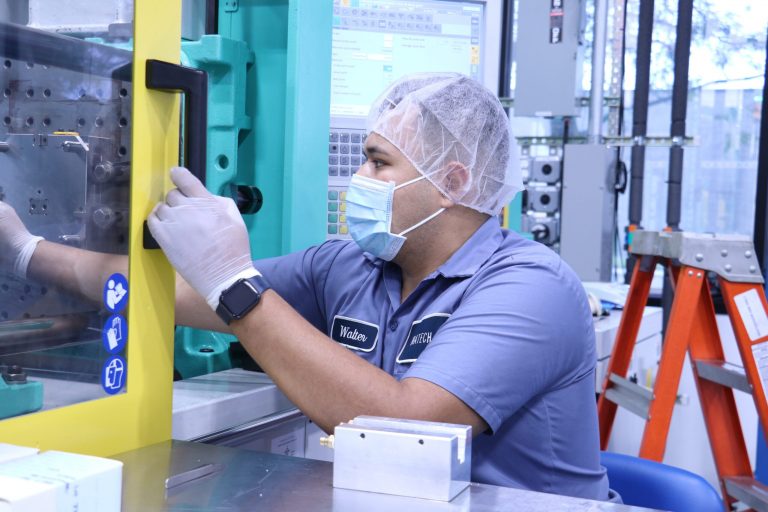
Custom mold design and fabrication for medical, pharmaceutical, and diagnostic applications.
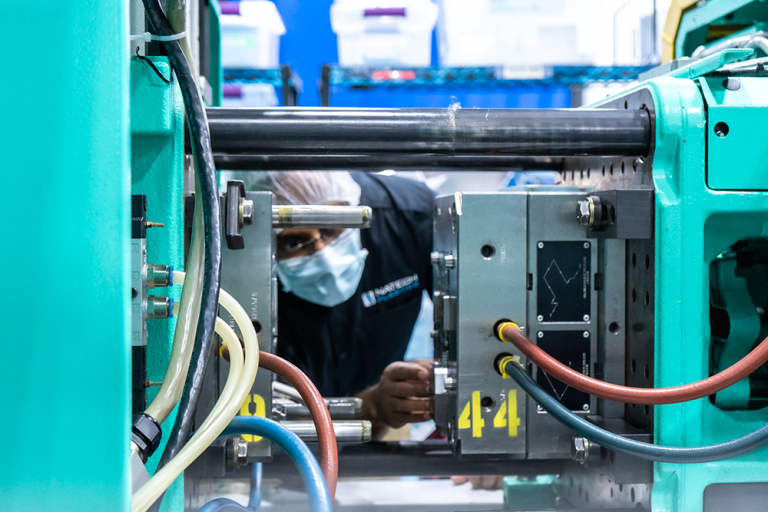
Preventive maintenance programs designed to extend mold life and reduce unplanned downtime.

Full-service injection molding for complex, tight-tolerance parts in regulated industries.

Diagnostic repair services that identify and correct the root cause of mold failure, not just the visible damage.
Answers to common questions about the mold transfer process, risks, timelines, and expected outcomes.
A mold transfer occurs when an injection mold is moved from one manufacturer to another. It’s often done to improve production quality, reduce costs, or when the original manufacturer can no longer meet production needs. During the transfer, the new manufacturer assesses the mold’s condition to ensure it can operate efficiently in the new environment.
You might consider a mold transfer if your current manufacturer is unable to meet your production demands, if you’re looking for better service or lower costs, or if you’re consolidating suppliers. A mold transfer can also occur if a manufacturer goes out of business or your project has grown beyond their capabilities.
The main risks include damage to the mold during transport, undetected wear or damage from previous runs, and incomplete knowledge of the mold’s design or history. These issues can lead to production delays or defects if not properly addressed. That’s why a thorough inspection and testing process is crucial during the transfer.
Natech uses a detailed mold review checklist to identify any potential issues with the mold before it enters production. Our mold transfer experts thoroughly inspect each component, correct any misalignments, and conduct test runs to ensure the mold functions as expected. We also provide regular updates to keep you informed of any findings and necessary repairs.
The length of a mold transfer depends on the complexity of the mold, its condition, and the level of repairs or modifications required. A simple mold with no major issues may take just a few weeks, while a more complex or damaged mold may require a longer transfer and remediation process. At Natech, we work to minimize downtime and provide a clear timeline based on the mold’s specific needs.
Yes! During the transfer, our team can identify areas for improvement, such as optimizing the mold design, enhancing performance, or increasing the mold’s lifespan. These upgrades can help reduce defects, improve efficiency, and ensure higher-quality parts.
Natech accepts a wide range of molds for transfer, including those used in medical, pharmaceutical, diagnostic, and consumer product applications. Whether your mold is simple or complex, we have the expertise to manage the transfer and ensure seamless integration into our production processes.
Mold maintenance is a key part of ensuring long-term production success. Even if your mold passes the initial inspection, regular maintenance is recommended to keep it running smoothly and avoid unexpected breakdowns. Natech provides ongoing mold maintenance services to extend mold life and maintain high-quality output.
Load more questions