
Mold Transfer vs New Tooling: Do You Really Need to Start Over?
Published April 8, 2026
By Jacob Huben
How Mold Transfer Improves Consistency Without Replacing Your Tool
Why Isn’t My Mold Producing Consistent Parts?
Your mold is producing inconsistent parts. Some runs look clean and within spec, while others drift out of tolerance with no explanation. Your supplier makes adjustments, but the results never fully stabilize. The conversation starts to revolve around whether the mold needs repair, modification, or full replacement.
Inconsistent quality is not just a tooling issue. It is a loss of process control. It reflects gaps in how the mold is maintained, how the process is developed, and how consistently it is executed.
How Can I Get My Process in Control?
Unstable processes, limited engineering support, or an inability to maintain consistency at scale cause manufacturers to struggle. If you’re considering switching suppliers, you may feel like you need to start over. But that doesn’t mean you have to start from scratch. Starting over with new tooling introduces long lead times, added cost, and a full reset of your production timeline. Fortunately, you have faster and more controlled paths forward with a structured mold transfer approach.
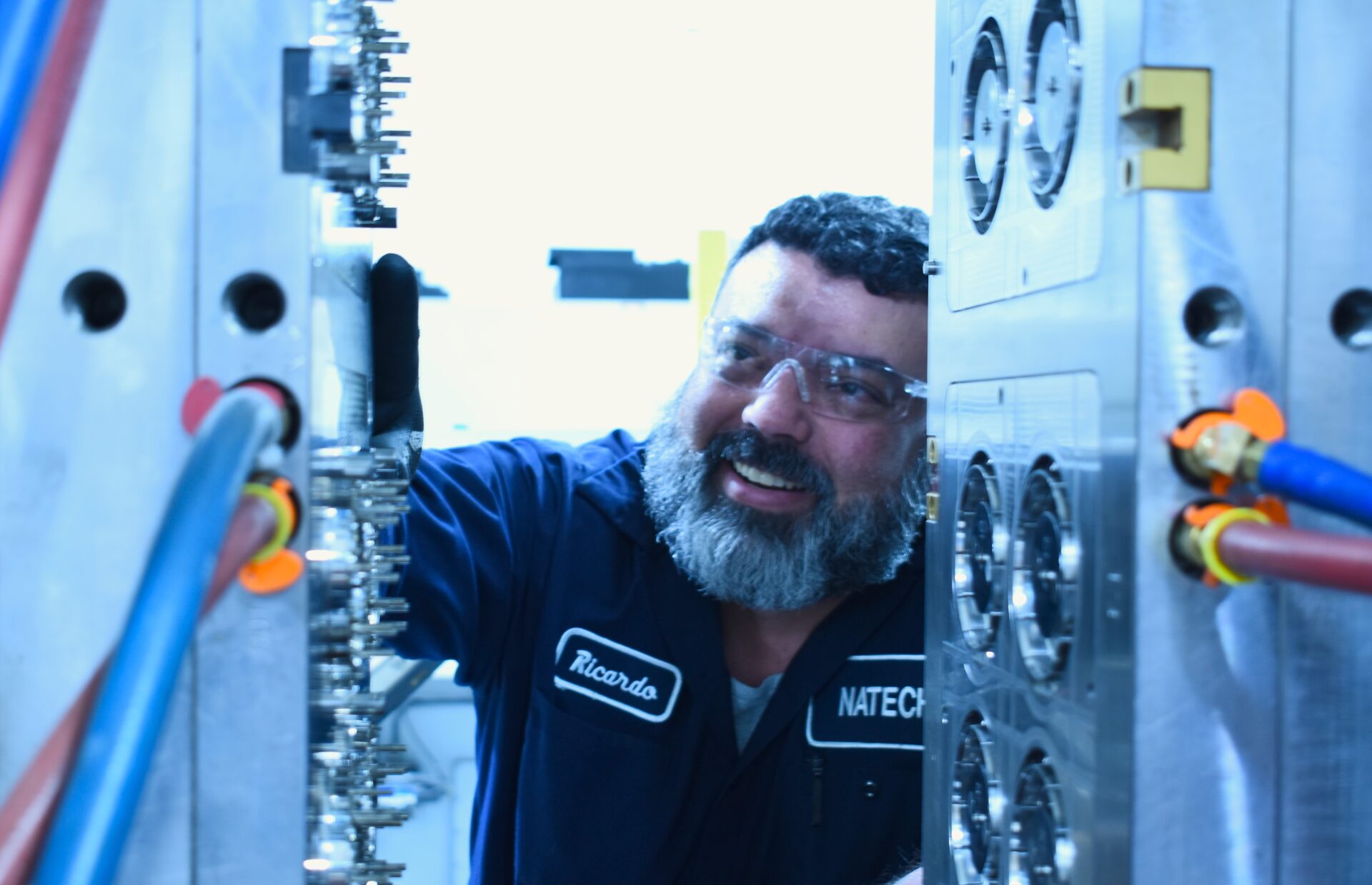
A structured mold transfer allows you to take an existing tool and place it in the hands of experts in tool manufacturing, maintenance, engineering, and scientific processing. The goal is not just to get the mold running again but to restore control over your production by addressing the underlying causes of instability.
At Natech, this process is built around three core phases: 1. evaluation, 2. optimization, and 3. processing. Each phase is designed to remove uncertainty and replace it with a system that is predictable, repeatable, and scalable.
Evaluation in a Mold Transfer Process
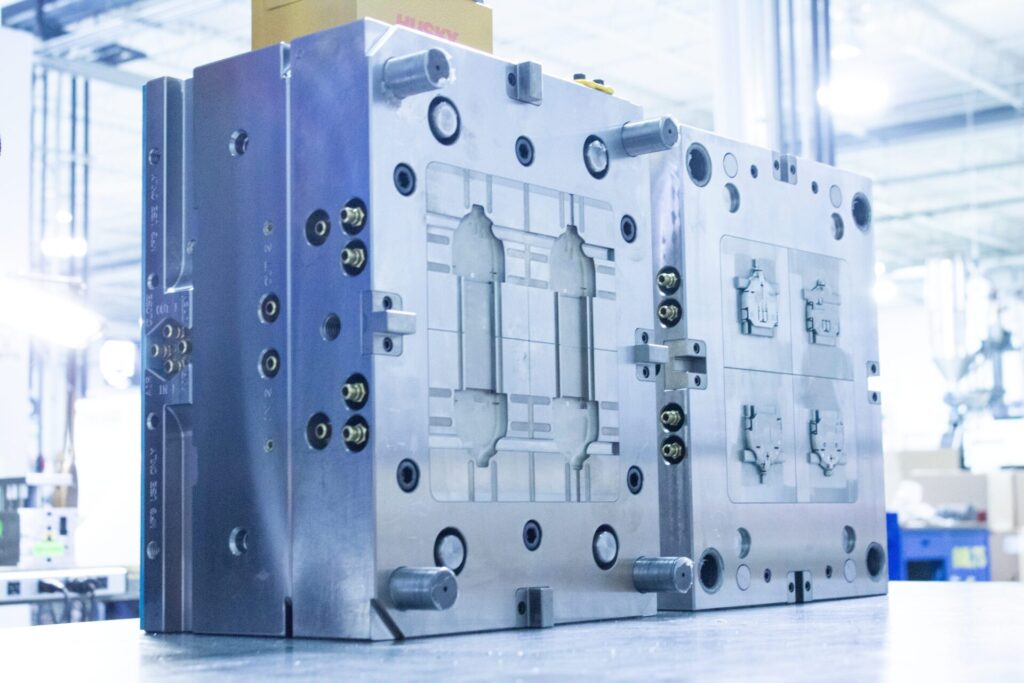
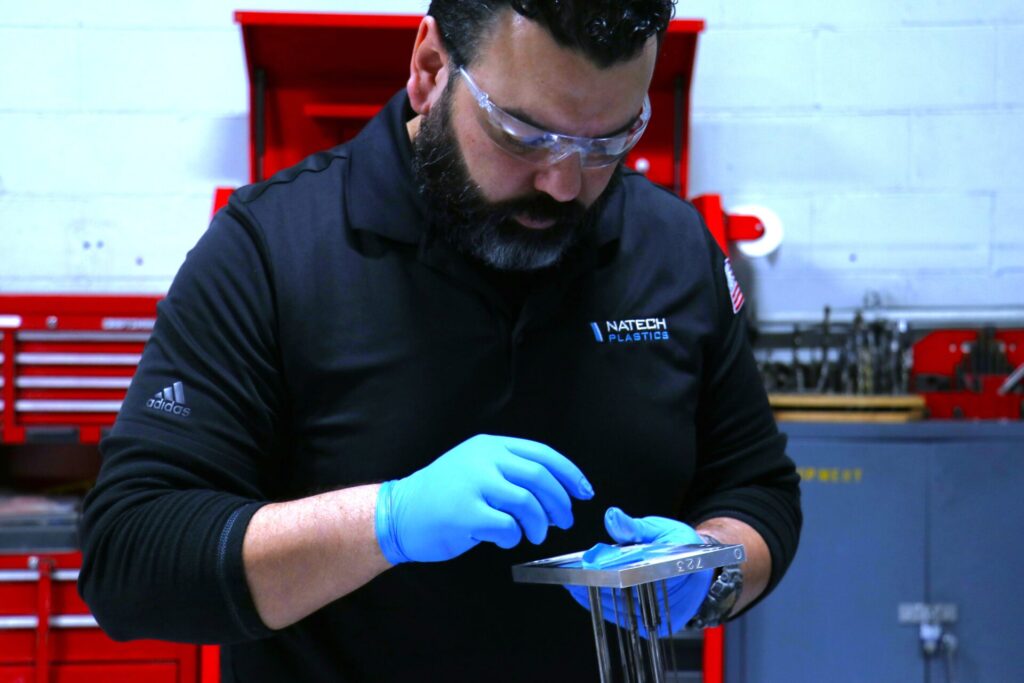
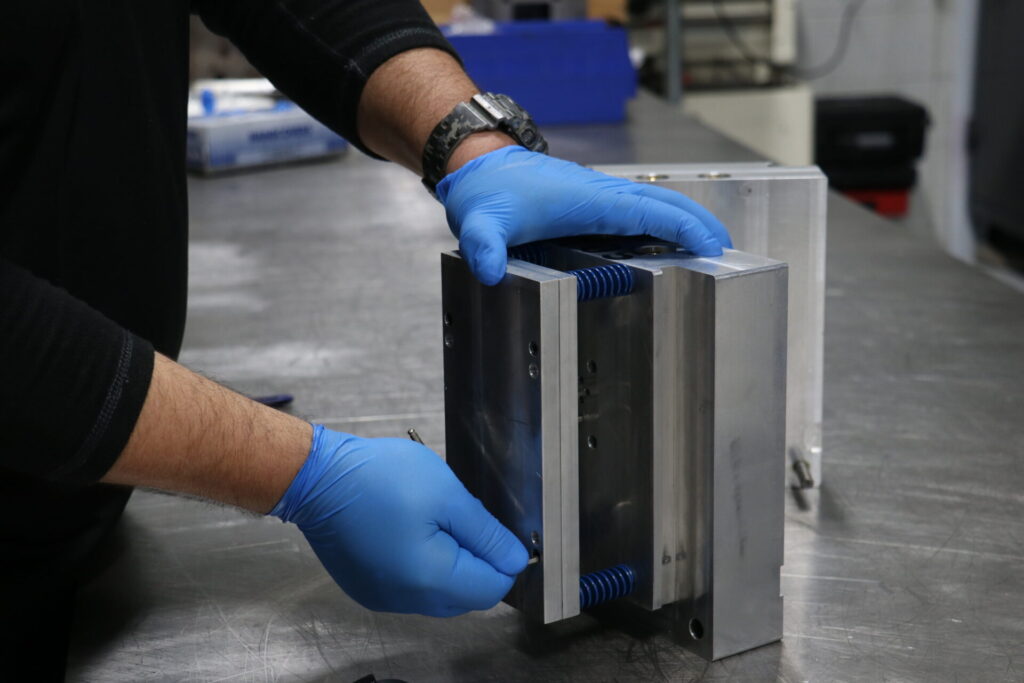
Evaluation begins when experienced toolmakers and engineers perform a full inspection and controlled sampling of the mold. This establishes a true baseline by understanding both the physical condition of the tool and how it performs.
Clogged vents, worn components, or inconsistent setup conditions can all contribute to poor performance. In many cases, what appears to be a tooling issue is actually the result of poor maintenance or inconsistent processing. Without a structured evaluation, those issues remain hidden, and incorrect assumptions drive the next steps.
This process begins with a review of venting conditions, wear on critical components, slide function, shutoffs, cooling, and any features that influence part quality. From there, the mold is sampled to observe how it behaves under controlled conditions, connecting tool condition directly to part performance.
Evaluation identifies what limits performance so the right decisions can be made moving forward.
Optimization During Mold Transfer
Not every mold arrives in perfect condition, and even well-built tools can develop wear or inefficiencies over time. The key is to focus on making the right tooling changes based on data.
Identifying the root cause helps determine when a change is truly necessary. A common mistake is overcorrecting without a clear understanding of the problem, which can introduce new variables and increase risk.
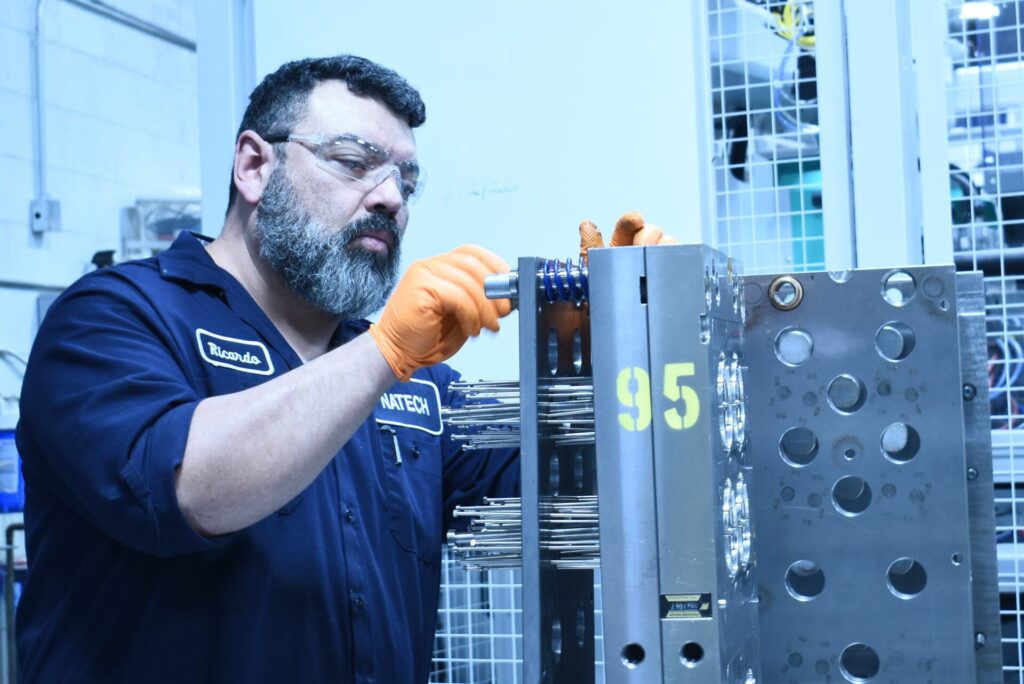
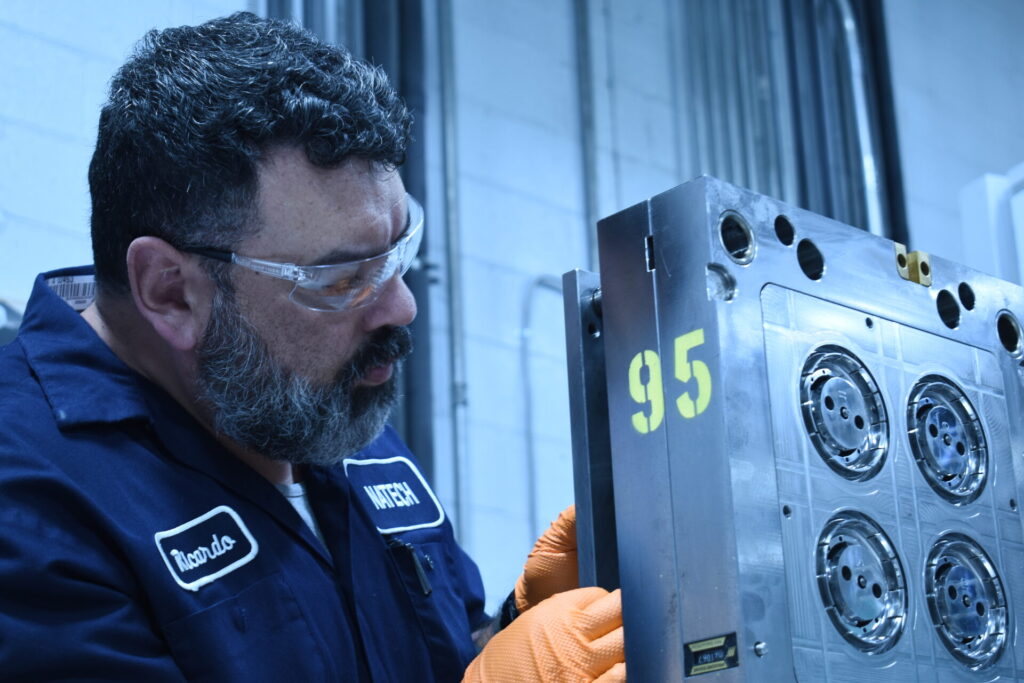
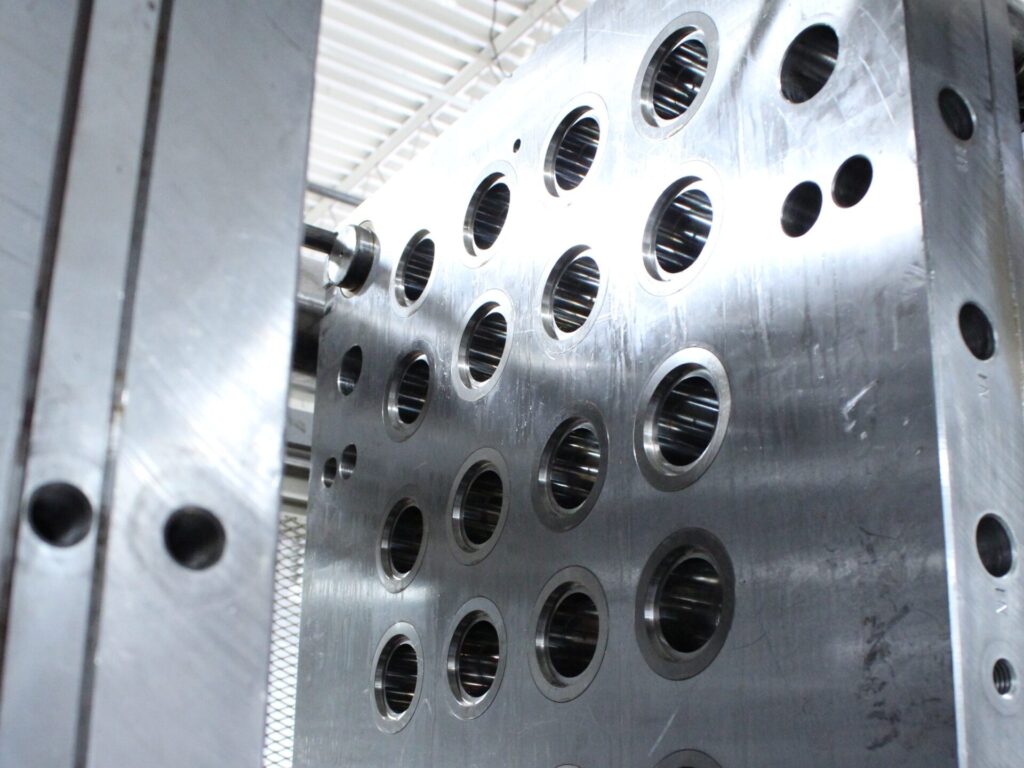
Preventative maintenance is one of the most commonly overlooked areas. Many molds receive only minimal cleaning, when deeper issues such as clogged vents, worn components, or degraded features continue to impact performance. Addressing these through proper maintenance and targeted repair often restores stability without the need for major modification.
When tooling changes are required, they are precise and intentional. Small geometric inconsistencies, inadequate venting, or cooling limitations can introduce variability that becomes more pronounced at production scale. These are addressed through data-driven, steel-safe modifications designed to improve repeatability without introducing new risk.
This phase is where experience and discipline matter most. The objective is not simply to get the mold to run, but to ensure it can run consistently under real production conditions.
Processing and Validation After Mold Transfer
Many perceived “tooling problems” are actually processing-related issues. Processing is where long-term stability is either achieved or lost. A capable mold can still produce inconsistent results if the process around it is not well defined. Too often, molds are transferred and put into production without developing a controlled process. This leads to continued variability, frequent adjustments, and ongoing dependence on operator experience.
Instead, processing should be built deliberately. Using scientific molding principles, the process is developed, tested, and refined to establish clear operating windows and parameter controls. Scientific processing allows quality to be built into the manufacturing process, rather than relying on inspection after the fact.
At Natech, this includes intentionally testing the limits of the process to understand where it succeeds and where it begins to fail. By defining those boundaries, we establish a stable operating range that consistently produces acceptable parts while avoiding the conditions that introduce variation. The process is documented, validated when required, and aligned with the quality standards necessary for the application. The result is not just a functioning mold, but a stable system that supports predictable production.
Mold Transfer Can Save Your Mold
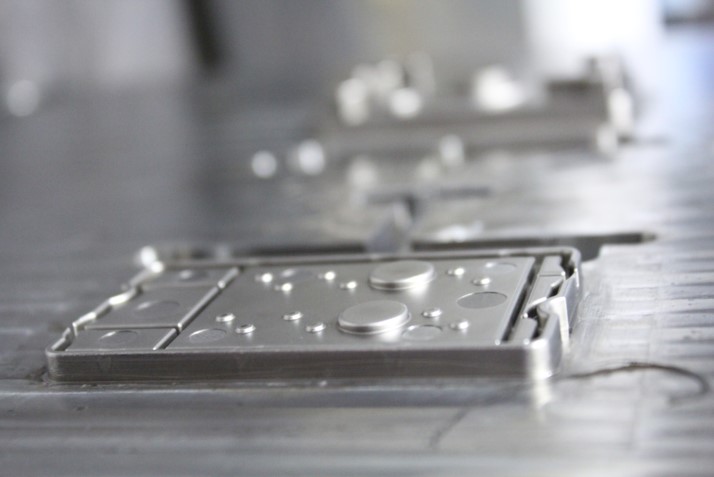
When these three phases are executed correctly, the impact is immediate. What was once an unstable supply chain becomes controlled and reliable. Teams that were previously focused on managing issues can shift their attention back to scaling production and serving their customers. Most importantly, this transition can happen far faster than a full restart. Instead of waiting months for new tooling and validation, production can often be restored in a matter of weeks.
Too many companies assume that starting over is the only way to solve supplier problems when moving between suppliers. In reality, most molds do not need to be replaced. They need stronger engineering support, proper maintenance, and a process that is built to scale. A mold transfer is not just about moving it to a new facility. It is about placing it into a system that is designed to support performance at every level.
A mold that struggled previously can often produce consistent, high-quality parts when reviewed by experienced engineers and run using scientific molding principles. By separating perception from reality, evaluation provides clarity. It identifies what is truly limiting performance and what can be improved without unnecessary changes.
Let’s Get Your Production Back Under Control
At Natech, mold transfer is approached as an engineering problem, not a logistics exercise. By combining tooling expertise, structured evaluation, targeted optimization, and controlled process development, we help teams regain control of their production.
If your current supplier is struggling, you do not need to start over. Request a quote today to start your mold transfer.