Which Mold Repair Strategy Is Right for You?
Published June 8, 2026 By Jacob Huben
Not Every Mold Repair Looks the Same
When…

Precision mold repair for medical, pharmaceutical, and diagnostic applications.
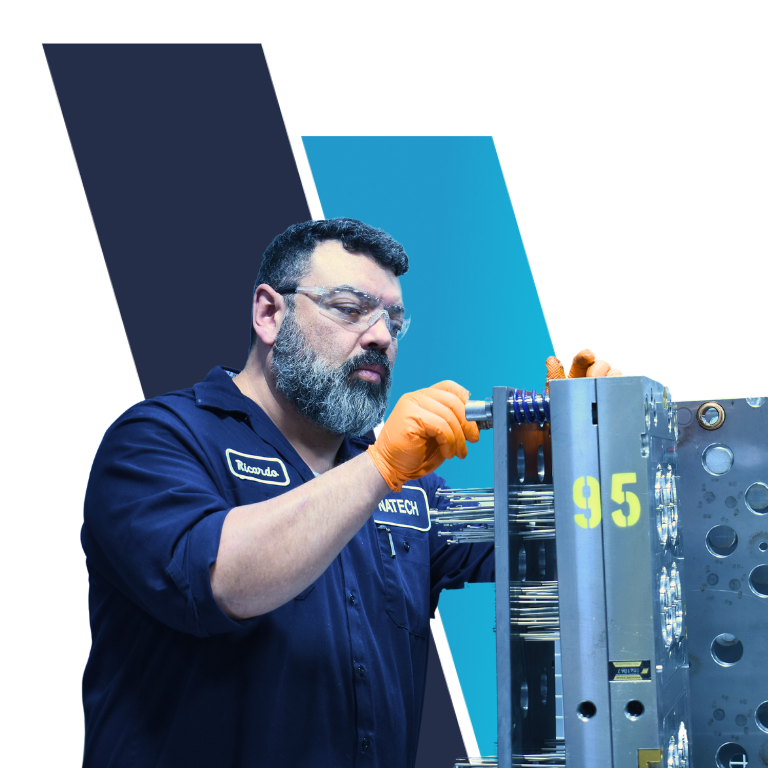
Not every mold repair calls for the same approach. The right strategy depends on your mold’s condition, its remaining production life, and what diagnosis actually finds once it’s on the bench. We offer three repair approaches so the solution fits your situation, not just the symptom.
Sometimes the most practical thing a mold needs is to run. When a replacement tool is already in build or the mold is approaching end of life, a targeted fix gets you back into production without unnecessary downtime.
Two molds with the same visible damage can need completely different repairs. A Resolve approach starts with diagnosis, identifying not just what failed but why, so the repair addresses the actual cause rather than the symptom.
When recurring failures point to deeper structural issues, a targeted fix won’t be enough. A Rebuild addresses the conditions that made the failure possible in the first place.
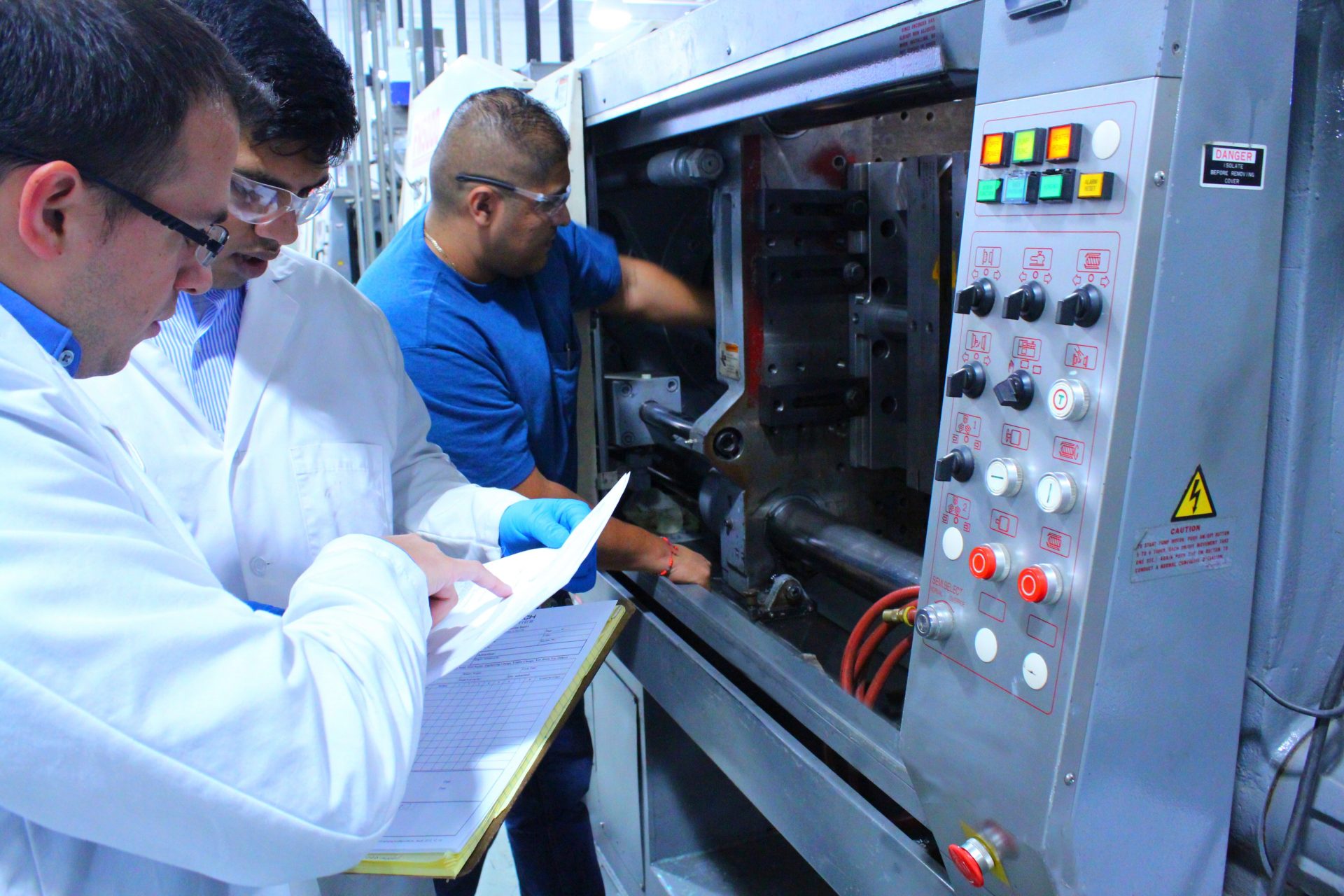

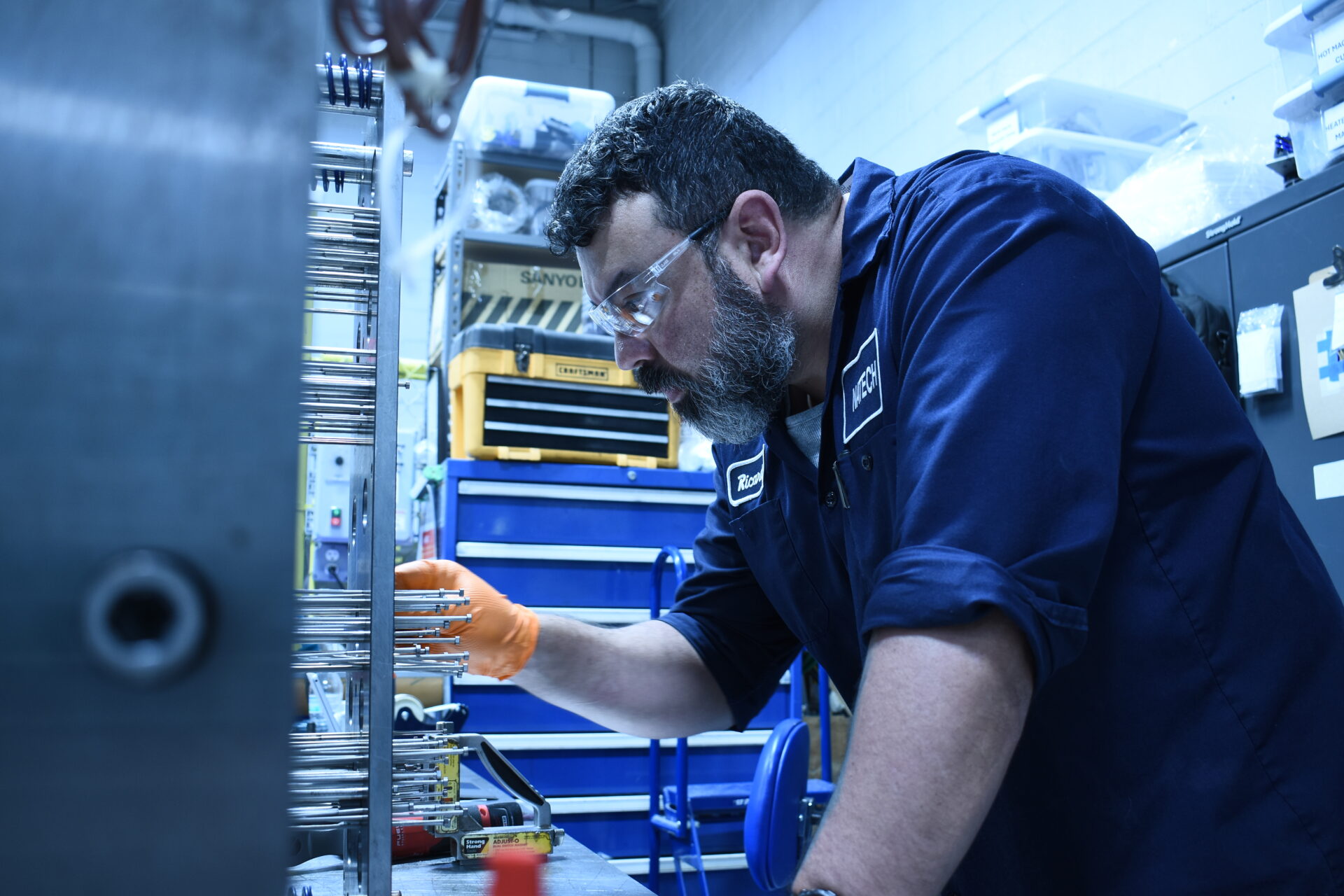
Explore case studies and insights on diagnosing failures, preventing repeat issues, and restoring stable production.
A structured repair process reduces downtime, eliminates repeat failures, and restores confidence in your production process.
Our mold capabilities extend beyond repair, supporting your tooling at every stage of its life cycle.
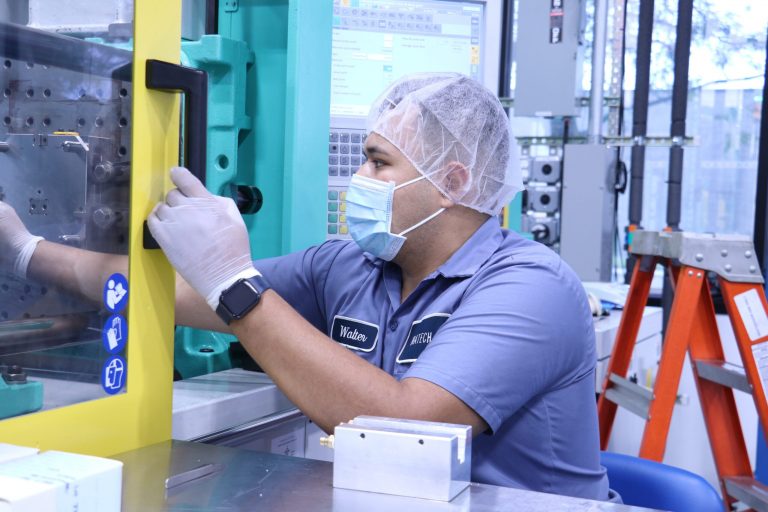
Custom mold design and fabrication for medical, pharmaceutical, and diagnostic applications.
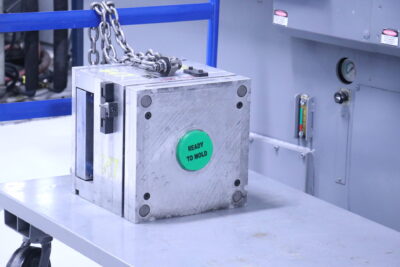
Structured evaluation, optimization, and qualification of transferred molds for production readiness.
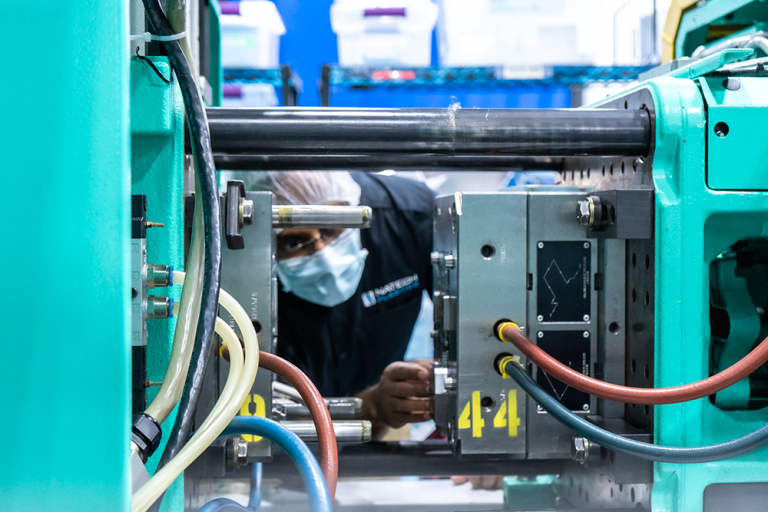
Preventive maintenance programs designed to extend mold life and reduce unplanned downtime.

Full-service injection molding for complex, tight-tolerance parts in regulated industries.
Answers to common questions about mold repair processes, timelines, risks, and outcomes.
Mold repair is the process of restoring a damaged or worn injection mold so it can return to production. This can include replacing worn components, repairing damaged features, and addressing underlying issues that affect performance. A proper repair not only fixes the visible damage but ensures the mold can run reliably moving forward.
You may need mold repair if you’re experiencing issues like flashing, dimensional inconsistencies, part defects, or unexpected downtime. Repairs are also common when molds have reached high shot counts, have not been properly maintained, or have been damaged during production.
The biggest risk is repairing the visible issue without addressing the root cause. This often leads to the same failure happening again in a short period of time. Other risks include incomplete mold history, hidden damage, or previous repairs that were not done correctly, all of which can impact long-term performance.
Natech follows a structured process that starts with documentation and diagnosis before any repair work begins. Our team inspects the full mold system, identifies the root cause of failure, and develops a repair strategy based on your production needs. We then validate the repair through testing to ensure the mold performs reliably in production.
The timeline depends on the complexity of the repair and the condition of the mold. Simple component replacements may take a few days, while more complex repairs that require redesign, fabrication, or additional validation may take longer. We provide a clear timeline after evaluating the mold and understanding the full scope of work.
Yes. We provide multiple repair options based on your timeline, budget, and production needs. This can range from a fast, short-term repair to get your mold back into production, to a more robust solution designed to prevent repeat failures and extend the life of the tool.
Natech repairs a wide range of molds across medical, pharmaceutical, diagnostic, and consumer product applications. Whether the issue is routine wear, damage from production, or a more complex structural problem, we have the experience to diagnose and repair it effectively.
Providing as much information as possible helps speed up the process and improve outcomes. This includes part drawings or CAD models, mold engineering (if available), sample parts showing the issue, mold history such as shot count or previous repairs, and a clear scope of what needs to be addressed.
Yes. Ongoing maintenance is critical to preventing future failures and extending the life of the mold. Even after a successful repair, regular inspection and maintenance help ensure consistent performance and reduce the risk of unexpected downtime.
Load more questions